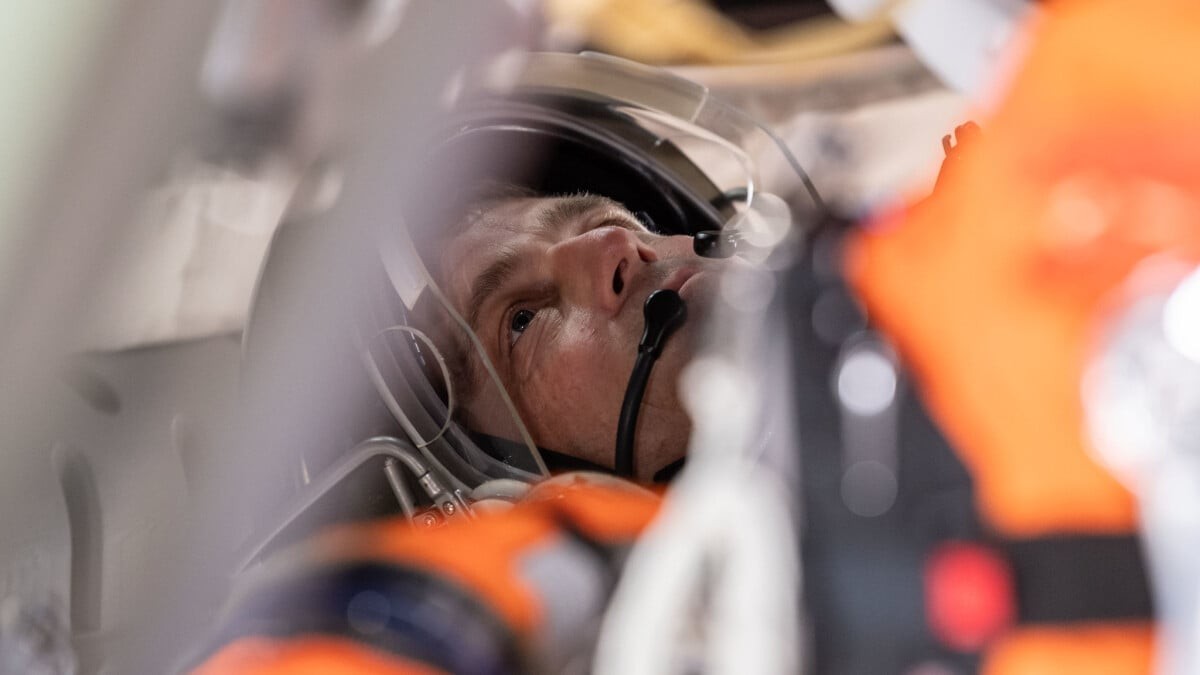
NASA is on the verge of launching Artemis II, a critical mission set to send four astronauts on a 10-day journey around the moon as early as February. This marks the first crewed lunar flyby in over 50 years and represents a pivotal step in NASA’s long-term plan to return humans to the lunar surface and, eventually, to Mars.
The Mission’s Significance
Unlike the uncrewed Artemis I, which proved the Space Launch System (SLS) rocket and Orion capsule could survive the rigors of space, Artemis II will rigorously test the life support systems, crew controls, and emergency procedures necessary for human survival on a deep-space mission. The mission is a stepping stone: data from Artemis II will directly inform the design and execution of Artemis III, the planned crewed lunar landing.
Crew and Trajectory
The Artemis II crew includes Commander Reid Wiseman, pilot Victor Glover, mission specialist Christina Hammock Koch, and Jeremy Hansen of the Canadian Space Agency—the first international astronaut on a lunar mission. The crew will launch from Kennedy Space Center in Florida, travel approximately 257,000 miles beyond the moon (potentially setting a new human spaceflight distance record), and return to Earth for a splashdown off the coast of California.
The mission will employ a “free return trajectory,” leveraging the gravitational forces of Earth and the moon to ensure a safe return even in the event of engine failure. This adds an essential layer of redundancy, ensuring crew safety is prioritized.
Key Preparations and Changes
NASA has made several key adjustments based on lessons learned from Artemis I. The mission will begin with a one-day orbit in high Earth orbit, allowing for thorough spacecraft checks before committing to the lunar trajectory. Engineers have also refined the re-entry path to reduce stress on the Orion capsule’s heat shield, mitigating potential damage observed after the first Artemis mission.
Safety First
Mission leaders emphasize that safety will dictate the launch schedule. Despite aiming for a February window, the mission will not proceed until all safety criteria are met. As John Honeycutt, head of the mission management team, stated, “I’m not going to tell the agency that I’m ready to go fly until I think we’re ready to go fly.”
Artemis II isn’t just about superlatives; it’s about teamwork and verifying the readiness of human-rated space systems. The mission is a fundamental step toward NASA’s broader goals of establishing a sustainable presence on the moon and preparing for future expeditions to Mars.