


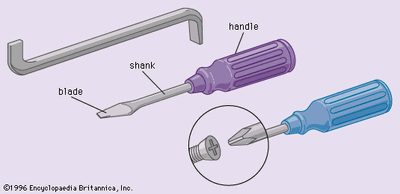
The humble screwdriver is the most recognizable tool in almost every household. It is simple. Hand-operated. Designed for one thing: turning screws with slotted heads.
For decades, the standard has been the flathead. You know the type. A straight diametral slot cut across the screw head. You match it with a flat blade tip. The sizes vary, but the principle is static. Tough steel shank. Hardened tip to resist wear. Handles made of wood, metal, or plastic. It works.
But then there is the Phillips head.
Also known as the Phillips Screw, this design features a cross-shaped slot. Standard flat blades do not fit. You need a special tool. The Phillips screwdriver has a tip that fits those specific cross slots. It became the most common special screw in history.
Why did we switch?
Friction. The Phillips design allows the driver to cam out if too much torque is applied. This prevents stripping the head in many applications. It streamlined assembly lines. It became ubiquitous.
When Straight Shots Fail
Not all screws are in easy reach. Sometimes the angle is wrong. The space is tight.
Enter the offset screwdriver.
This tool has no traditional handle. It features a shank with a right-angle bend at both ends. One blade tip aligns with the shank. The other sits at right angles. You push. You turn. You reach places a straight shaft cannot.
Modern Adaptations
The basic concept remains. The execution has changed.
Screwdriver bits are now modular. They can be clamped into various mechanisms.
- A brace. An automatic handle that rotates when pushed toward the screwhead.
- A gear reduction drive. Used in power drills.
- A manual twist driver.
The Phillips screwdriver dominates. The flathead persists. Both rely on the same physics. Friction. Torque. Steel.
We still turn screws. We just do it faster. Or from weirder angles. The tool evolves. The job stays the same.


