


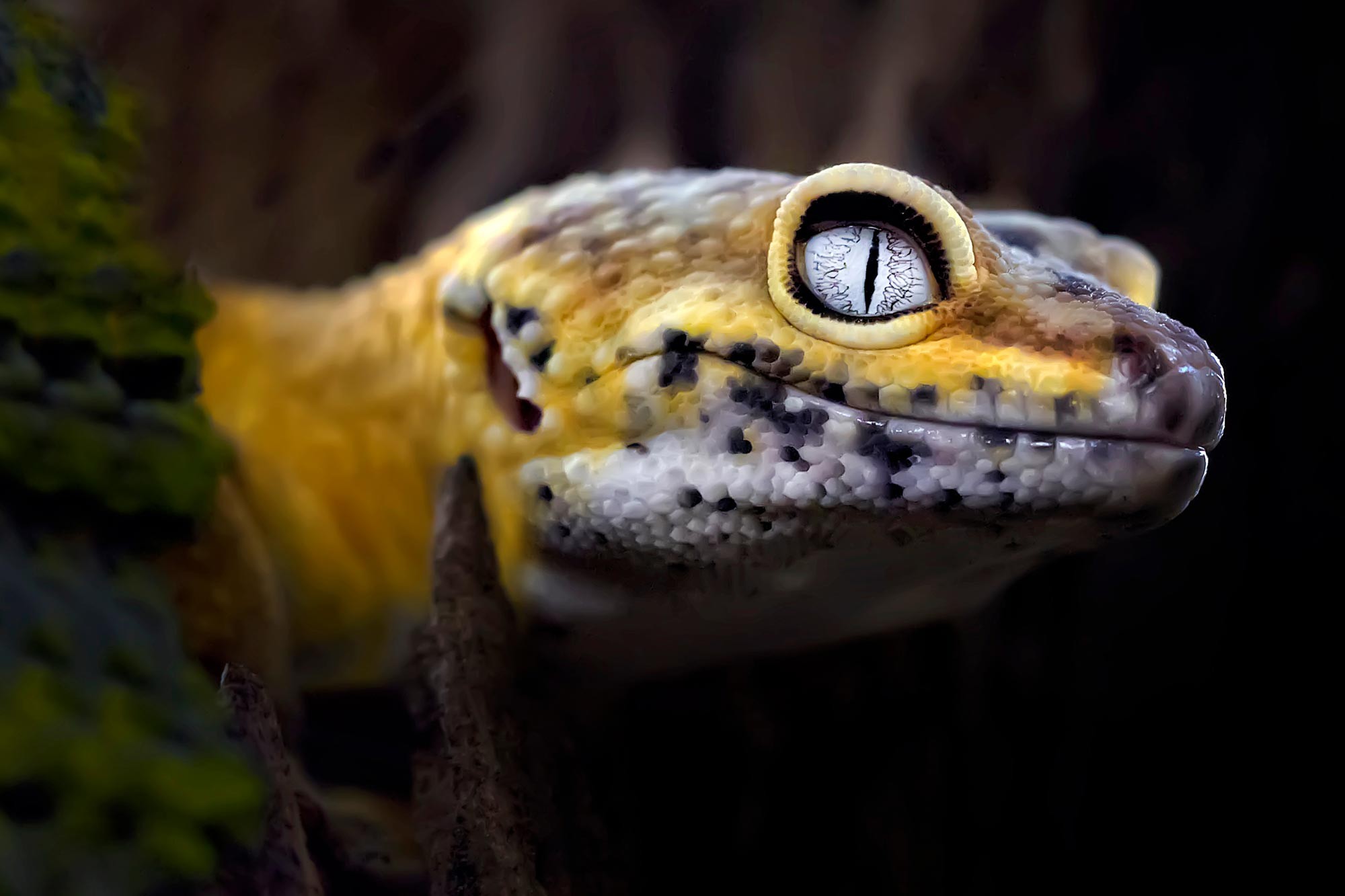
A pet gecko might just hold the key to understanding how cancer spreads. Specifically, the lemon frost gecko is developing aggressive tumors at an alarming rate. This isn’t just bad luck. It’s a genomic glitch. And scientists are watching closely.
Most reptiles? They rarely get cancer. Turtles. Tortoises. They’re tough. The leopard gecko, usually hardy, throws a curveball when it mutates into the lemon frost color morph. Roughly 80% of them develop tumors. It’s high. Painfully high.
Researchers at the University of Nottingham published these findings in BMC Biology. They want to know why some animals rot from the inside out while others shrug off cellular chaos.
Why this specific gecko matters for oncology research
Standard cancer research relies heavily on mice. Scientists usually have to induce tumors in them artificially. It’s forced. Unnatural. The lemon frost gecko, by contrast, gets sick on its own.
The tumors appear early. They spread. They metastasize.
This creates a rare opportunity. Researchers can watch the disease progress in real time, in a living system, without pushing buttons. It mirrors human biology in unsettling ways.
Dr. Ylenia Chiari, leading the study from the University of Life Sciences, notes the value.
“By studying why some animals are so susceptible… we hope to uncover the different ways species evolved to deal with cancer.”
If you can map the failure points in a gecko, you might map the safeguards in a human. Or vice versa.
Genomic sequencing reveals shared pathways
The team didn’t just guess. They sequenced the whole genome. They compared healthy tissue to cancerous tissue from the same animals.
What did they find? Genomic changes that repeat across the board. Mutations affecting genes and pathways we already know drive cancer in humans.
It’s a biological echo.
This proves the gecko isn’t an anomaly. It’s a model. A non-mammalian one, yes, but a useful one. It challenges the idea that we only need rats and mice. Diversity in study subjects brings diversity in answers.
Brandon Hastings, a PhD researcher on the team, put it plainly. Looking across the tree of life helps. We need to look everywhere.
Methodologically, it works too. The software used to analyze human cancer data? It can be adapted for lizards. The tools are flexible. The biology is shared.
Which species teach us about survival?
There’s a flip side. Not all animals get cancer. Some are nearly immune.
Dr. Scott Glaberman from the University of Birmingham points out that we often ignore nature’s other lessons.
“Every species has something to teach us.”
Studying the extremes helps. Look at the gecko, which dies young from tumors. Then look at the tortoise, which lives centuries without them. Comparing the two might reveal new strategies for prevention.
It’s about biodiversity. Protecting species isn’t just ethical. It’s medical research.
Final thoughts on the lemon frost gecko
We tend to think cancer is a modern human plague. It’s not. It’s ancient. It’s everywhere.
This tiny, white-and-yellow lizard reminds us of that. Its suffering is tragic. But its genome? It’s data.
Maybe the answer to stopping metastasis isn’t in a lab mouse. Maybe it’s in a cage at a local pet store. Or maybe it’s in the gap between the fragile and the immortal.
We’re just starting to read the instructions.


